September 2026 · 5 min read
Hand-Knotted, Hand-Tufted, Hand-Loomed — Understanding The Difference
By Chaarkone Atelier, Lucknow
Walk into any carpet conversation long enough and you'll hear three terms that often get used interchangeably — hand-knotted, hand-tufted, and hand-loomed. They're all handmade, yes. But the processes, the results, and the reasons you'd choose one over another are quite different. Understanding them is the first step toward choosing the right piece for your space.
Hand-Knotted: The Oldest Language
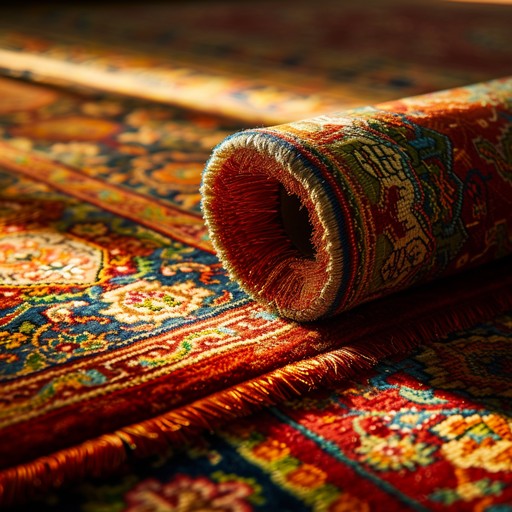
Hand-knotted carpets are the most labour-intensive and, traditionally, the most valued. Each knot is tied individually around the warp threads of a loom — one knot at a time, row after row. A single 8×10 rug can contain millions of knots. The process is slow (months of work), the skill ceiling is extraordinarily high, and the result is a rug that can last generations. The pile is firm, the detail is sharp, and the reverse of the rug shows the same pattern as the front — a hallmark of true hand-knotting.
Hand-Tufted: Texture At Pace
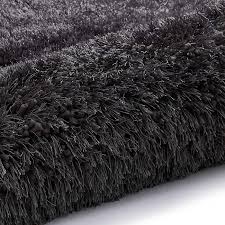
Hand-tufting uses a different mechanism. A tufting tool punches yarn through a cloth backing, and the pile is then secured with a latex coating and a secondary backing. The process is significantly faster than knotting — a piece that would take months to knot can be tufted in weeks. The texture is rich and plush, often softer underfoot. The trade-off: tufted rugs don't have the same longevity as knotted ones, and you can't achieve quite the same level of fine detail. But for many spaces, that balance of texture, speed, and value is exactly right.
Hand-Loomed: Flat, Light, Contemporary
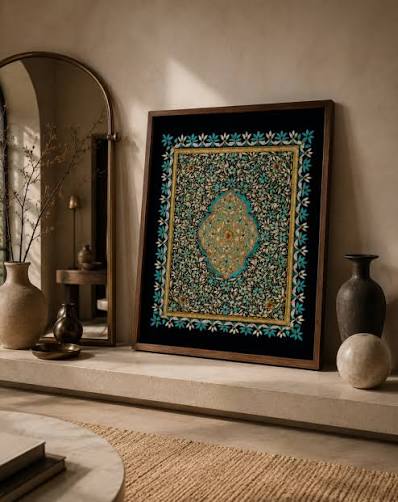
Hand-loomed rugs are woven on a frame loom, producing a flatter, lighter pile. There's no knotting in the traditional sense — the weft is passed through the warp to create the surface. The result is a rug that sits closer to the ground, often reversible, and lends itself beautifully to more contemporary or geometric patterns. They're also the lightest of the three, making them versatile for spaces where a thick pile would feel out of place — or even for wall hangings.
At Chaarkone, we work across all three techniques — because the right technique depends on the right context. There's no single best method. There's only the best method for what you need.
Like what you read? Every piece we write about, we weave.